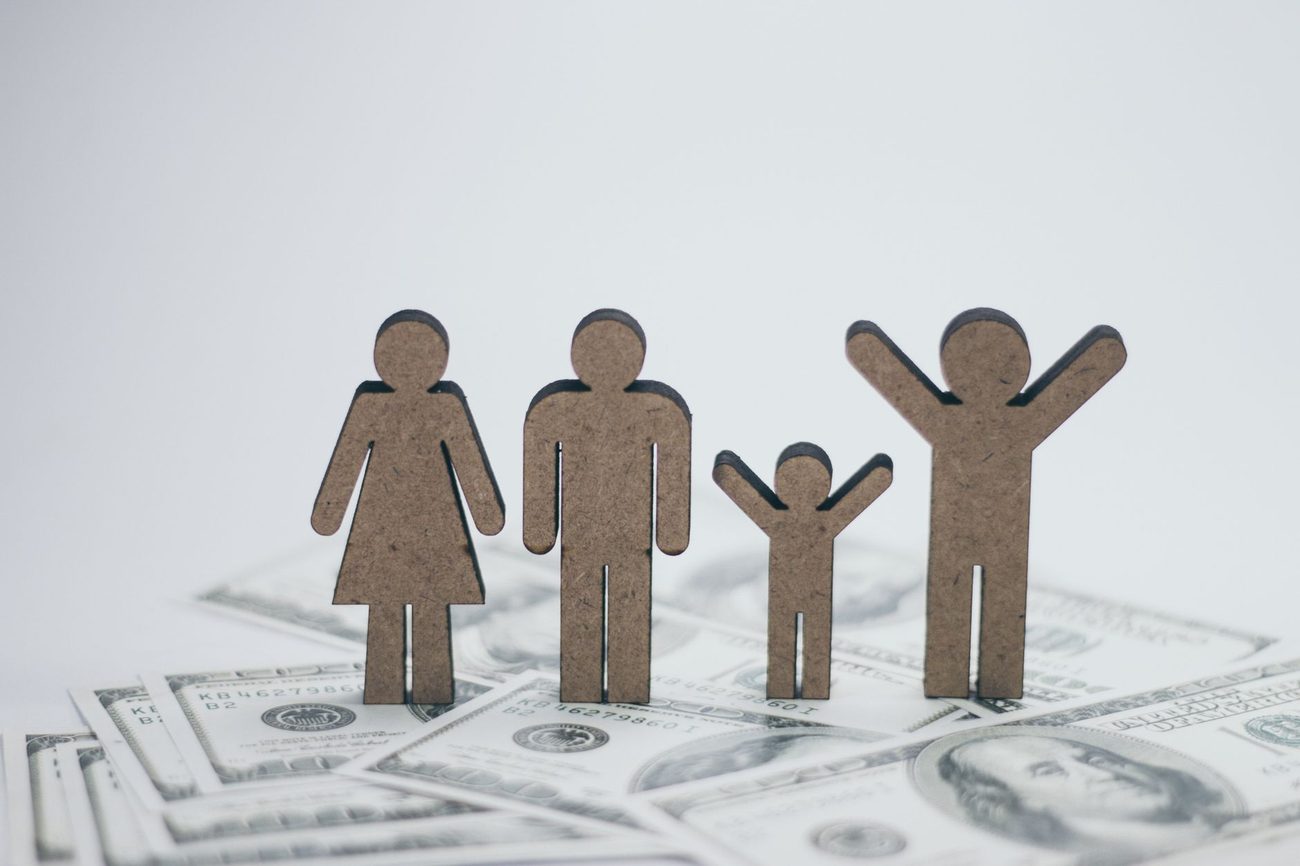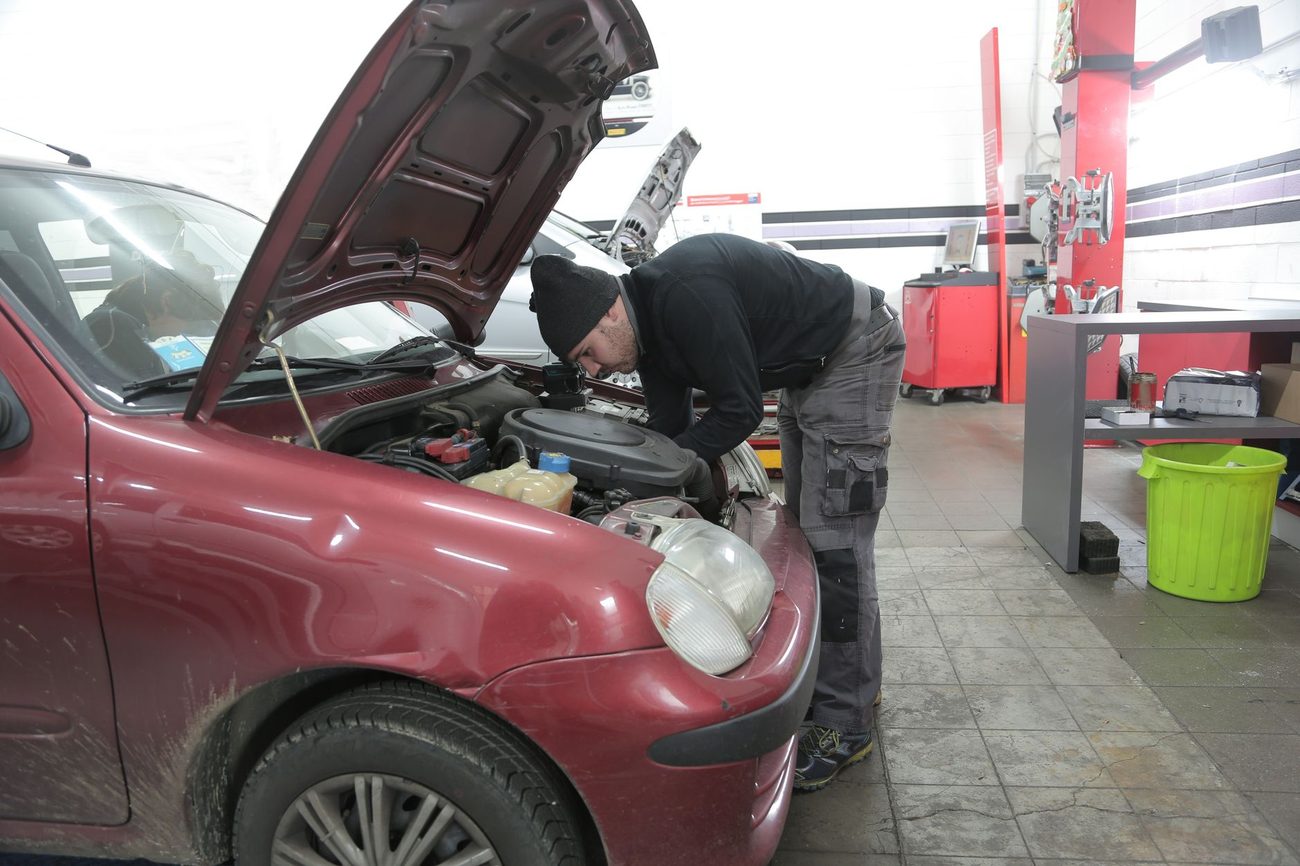
For years, every December and every car repair went on the credit card and got paid off over the spring. It felt like bad luck. The car needed tires the same month the furnace needed a service, and the holidays came around with alarming regularity. Then we read about sinking funds, which is a slightly grand name for a very simple idea: save a little every month for a bill you already know is coming.
Car repairs, holidays, insurance premiums, the dentist, the school trip and the water heater that is now sixteen years old are not emergencies. They are just bills with bad timing. Treating them as emergencies is what kept putting them on the card.
How a sinking fund works
Take an expense you know will arrive. Estimate the annual amount. Divide by twelve. Move that much into a separate savings bucket on payday. When the bill arrives, the money is there, and it does not feel like anything at all.
The trick is the separate bucket. Money that sits in the main checking account gets spent. Money in a labeled account with a boring name does not, because taking it out requires admitting what it was for.
Our buckets and what goes in
| Bucket | Annual estimate | Monthly transfer |
|---|---|---|
| Car repairs and tires | $1,400 | $120 |
| Gifts and holidays | $960 | $80 |
| Annual insurance premium | $720 | $60 |
| Dentist and glasses | $600 | $50 |
That is $310 a month, which sounded impossible the first time we added it up. It was not impossible. It was money we were already spending, just later and with interest attached.
The first year
The car needed $1,100 in brakes and tires in June. The money was already there. We paid the shop with a debit card and drove home. That was the last time an ordinary expense felt like an emergency, and it was the moment the whole thing clicked.
December was the other test. The gifts bucket had $960 in it by the first of the month. We spent $840 and put the rest toward the next year. It was the first holiday in a decade that did not carry a balance into February.
Mistakes we made
- Too many buckets at first. We started with nine and could not keep track. Four is about right for us. The small stuff can share a bucket.
- Underestimating the car. Older cars cost more than the average figure you find online. We raised the estimate after year one.
- Raiding the buckets for something else. We did it once, for a weekend away. It is a savings account, so nothing stops you. Do not.
Where to keep them
Most online banks let you split one savings account into named buckets at no cost. If yours does not, separate savings accounts work the same way. The interest is not the point. The label is the point. Money labeled "car" is much harder to spend on a Friday night than money labeled "savings".
The whole system takes five minutes a month to run, which is roughly the amount of time we used to spend each month wondering why the card balance never went to zero.