Pull up a year of electric statements and the shape is always the same: a flat line from October to May, then a wall in June. In our house the July bill runs about 70 percent higher than the April bill, and cooling is nearly all of the difference. The air conditioner gets the blame, and it deserves some of it. But when we actually looked at where the extra kilowatt-hours went, the biggest single culprit was a dryer running in the hottest hour of the afternoon, heating the house so the air conditioner had to cool it again.
The fixes that moved the needle were cheap. None of them needed a contractor, and all of them together cost less than a single service call.
1. Caulk the window frames ($12)
We walked the house on a windy afternoon with a lit candle and marked every window where the flame flickered. Six of them did. A single tube of exterior caulk and an hour on a Saturday closed the gaps. This is normally sold as a winter fix, but warm air leaking in during a heat wave is exactly the same problem in reverse.
2. Weatherstrip the two exterior doors ($15)
The back door had daylight visible under it. A foam strip for the frame and a rubber sweep for the bottom took twenty minutes. The room next to that door was always the warmest in the house and no longer is.
3. A box fan in the hallway ($20)
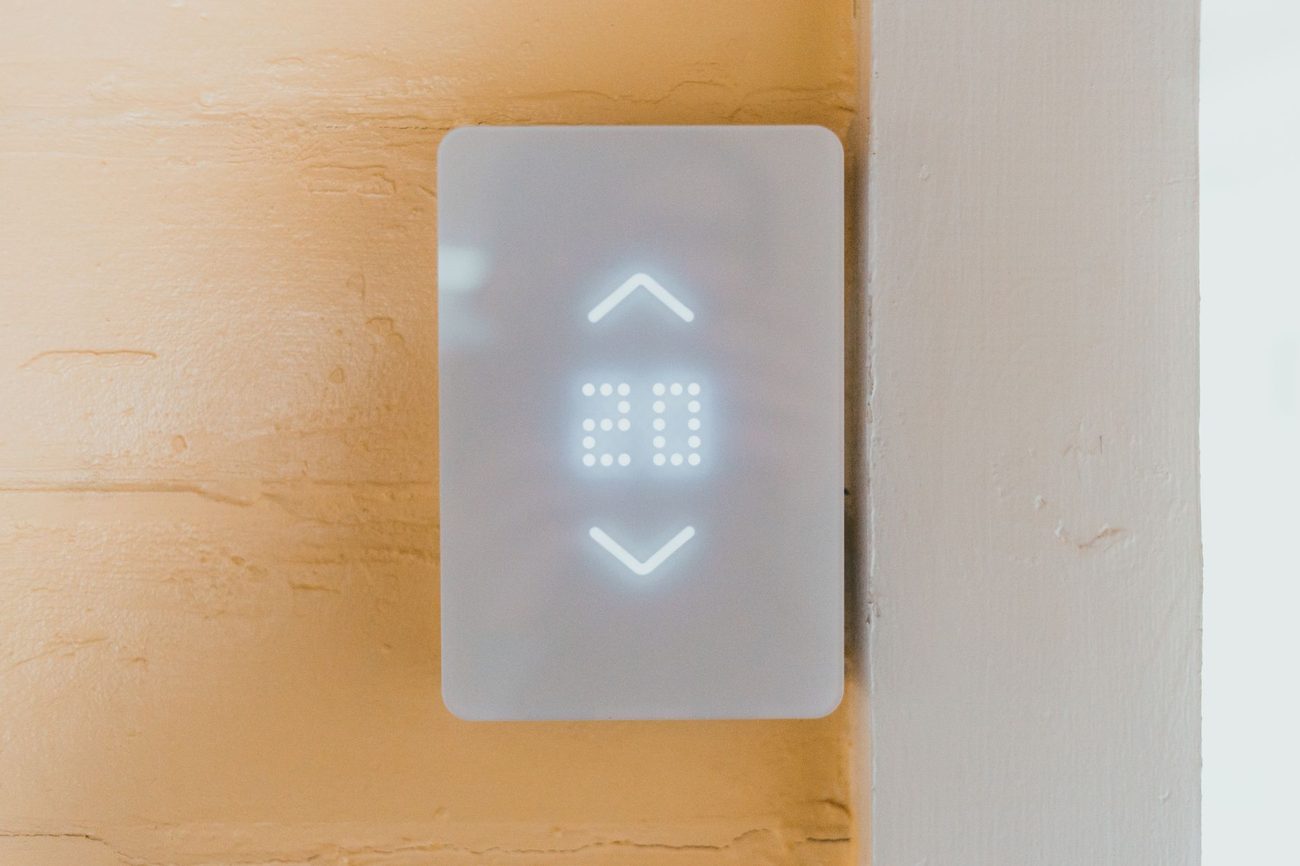
Our air conditioner is a single unit at one end of the house, and the bedrooms are at the other. A cheap fan set on the floor of the hallway, pointing toward the bedrooms, moved cold air where it was needed and let us raise the thermostat two degrees without anyone noticing. Every degree higher on the thermostat saves roughly three percent on cooling.
4. Blackout curtains on the west wall ($0 to $30)
The living room windows face west and turn the room into an oven from three in the afternoon. We already owned two blackout curtains from the nursery years; they went up on the west wall in July. If you do not have any, a set for two windows costs about $30. Closing them from noon until sunset keeps the room several degrees cooler with nothing running.
5. Move the heat-producing chores to the evening ($0)
This was the big one. The dryer, the dishwasher and the oven all produce heat, and running them at two in the afternoon on a hot day is asking the air conditioner to remove it. We moved laundry and the dishwasher to after nine at night and switched to the grill or the stovetop for summer dinners. The house is noticeably cooler in the late afternoon, and some utilities charge less for off-peak electricity, which is a second saving on top of the first.
What it added up to
Together, these took about 14 percent off the July bill compared with the year before, on a summer that was slightly hotter. The thermostat setting did not change, except for the two degrees we could afford after the fan went in. The total spend was about $50, and everything is still in place two summers later.
What we did not do
We did not replace the air conditioner, add attic insulation or install a smart thermostat, all of which would help and all of which cost real money. Those are the next tier, and we will write about them separately. This list is the weekend tier: things you can do before the next bill arrives, with what is probably already in the garage.