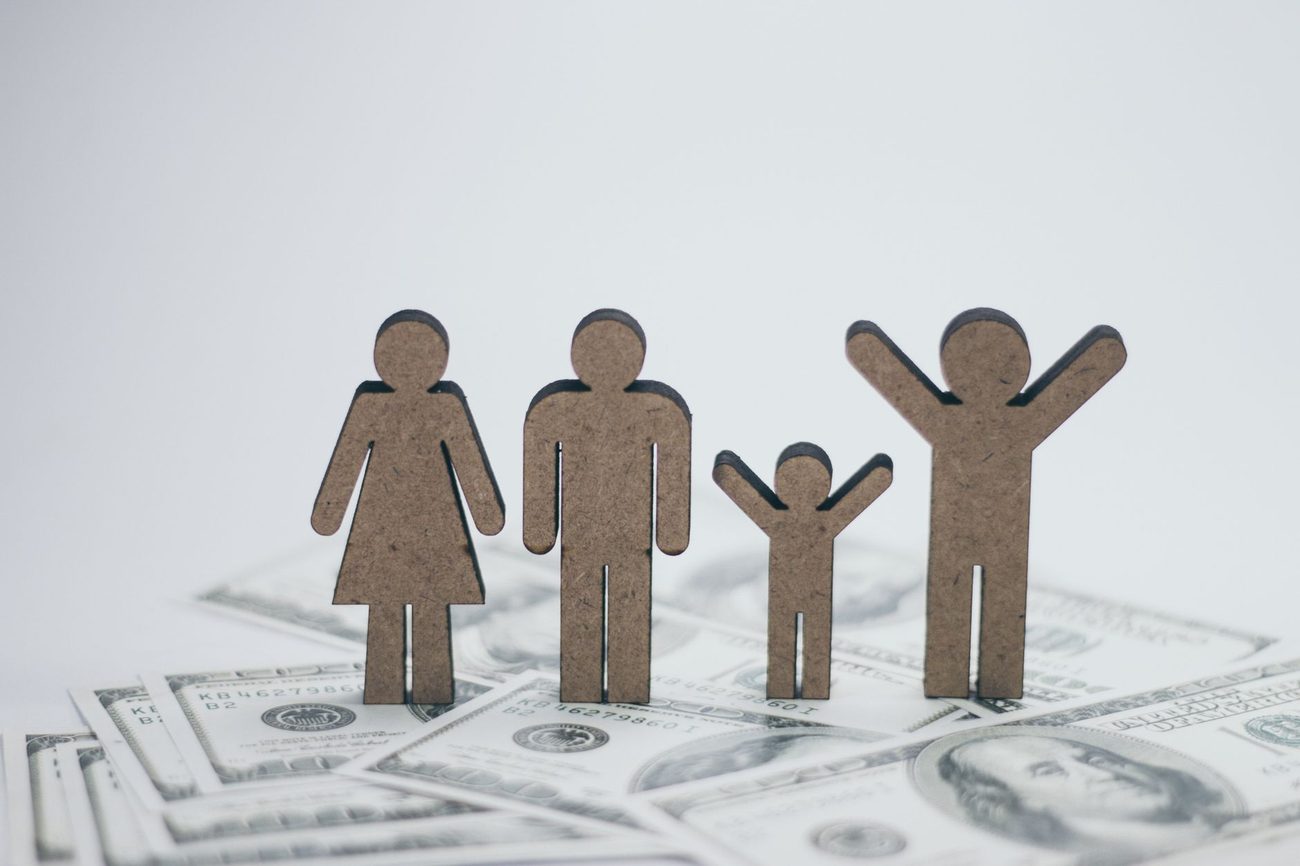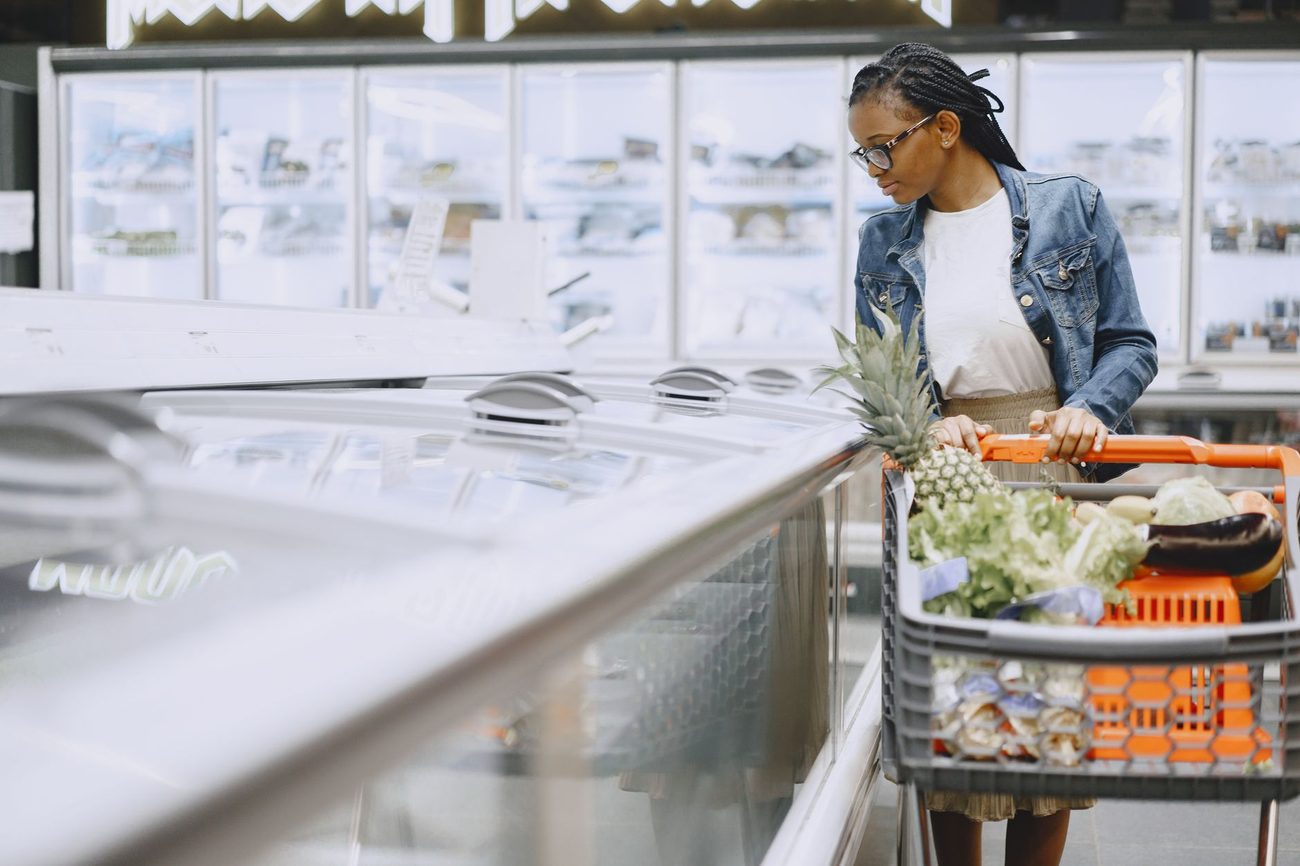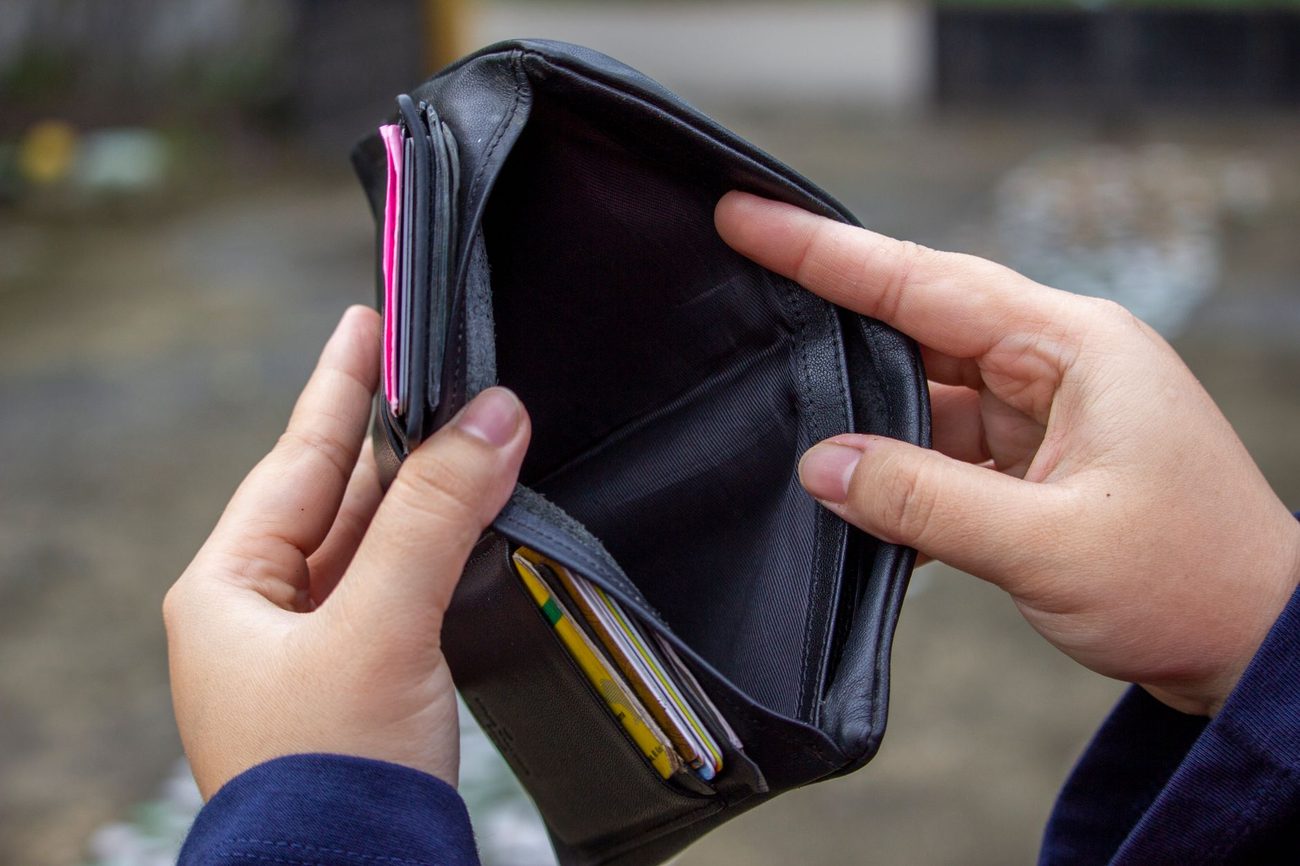
A no-spend month is exactly what it sounds like: for thirty days you buy groceries, fuel and pay your bills, and nothing else. No coffee out, no online orders, no small treats for the kids, no new anything. We picked February, partly because it is the shortest month and partly because there is nothing to do in February anyway.
The idea is not really to save money for one month. It is to find out where the money goes when nobody is paying attention, by removing it for long enough to notice the gap.
The rules we set
- Groceries, fuel, bills and medicine were allowed. Everything else was not.
- Gifts for two February birthdays were bought in January and did not count.
- Restaurant meals counted as spending, including the drive-through.
- Anything already in the house could be used, including the pantry stockpile we had been ignoring.
- If something genuinely broke, we could replace it, but we had to write it down.
What the month saved
Compared with our average month, we spent $410 less. That is less than some people report, and we think that is because we had already cut the obvious things. The savings came from four places: coffee and lunches out ($95), online orders ($130), things for the kids that were not asked for ($70), and restaurant meals ($115).
What was hard
The first week was easy, because it felt like a game. The second week was hard, because the game stopped being new and the coffee habit turned out to be a real habit. The third week we broke the rules once: a birthday party invitation arrived and we bought a gift rather than show up with nothing. We wrote it down. It cost $22.
The last week was easy again, mostly because we had run out of things we wanted to buy. That is the part worth paying attention to. Most of the wanting was manufactured by seeing things, and a month without browsing removed the wanting along with the buying.
What did not work
Telling the children in advance was a mistake. It turned the month into a thing that was being done to them, and every trip past a shop became a negotiation. If we did it again, we would simply not buy the extras and not announce it. They noticed less than we expected.
Cooking every meal from the pantry stockpile was also harder than it sounded. Some of it was there because nobody wanted to eat it. We ate it anyway.
What stuck
The coffee habit never came back. We bought a better thermos and that was the end of it, which suggests the coffee was never the point. Online orders now sit in the cart for 48 hours before anyone is allowed to check out. About half of them get deleted. Everything else returned to normal, which is fine. The point was to see it clearly once.
We have done it twice more since, each time in a quiet month. The savings were smaller each time, which we take as a sign that the leak has mostly been fixed.