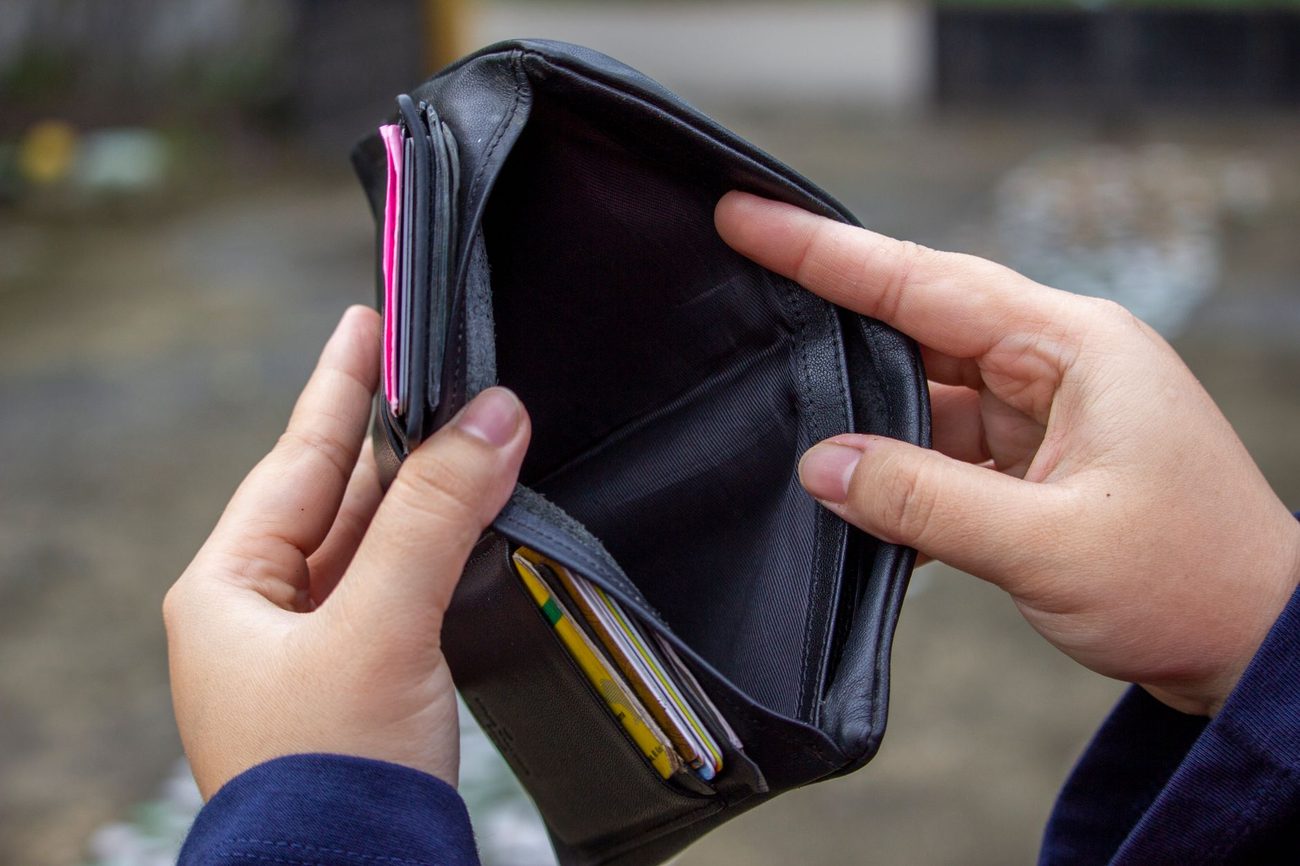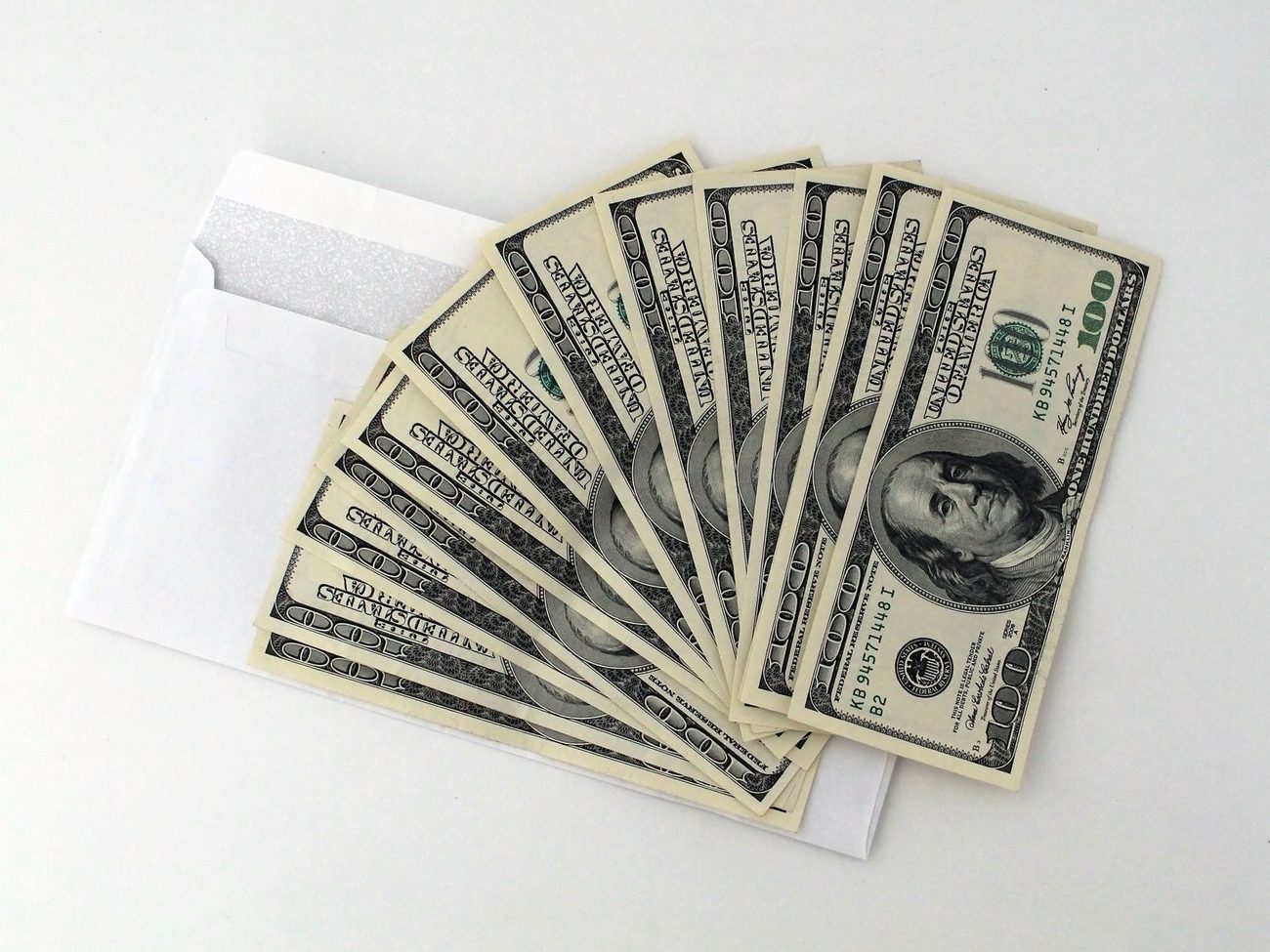
The cash envelope method is simple. On payday you withdraw the month's spending money in cash, divide it into labeled envelopes, and when an envelope is empty you stop spending in that category until next month. It is the original budgeting app, and it works for a reason that has nothing to do with math: it hurts to hand over cash in a way that tapping a card does not.
We tried it for three months, then tried a digital version for three more. One of them stuck.
The cash version
We set up four envelopes: groceries, fuel, eating out and family fun. On the first of the month we withdrew $1,100 and split it. The rules were the obvious ones. Cash only for those four categories. When it is gone, it is gone. Anything left at the end of the month rolls into savings.
It worked immediately for groceries and eating out. Watching a $400 envelope thin out over three weeks changed what went in the cart in a way that a bank balance never had. Eating out dropped about 40 percent in the first month, mostly because nobody wanted to open the envelope on a Tuesday for something that was not really wanted.
Where it broke
The problem in 2026 is that half of life is paid online. Fuel was fine, because the pump takes cash if you walk inside. But the grocery delivery we used on busy weeks did not take envelopes. The kids' activities were paid by bank transfer. The one night a month we ordered takeout, the app wanted a card.
So the four cash categories behaved, and everything outside them drifted. By month three we had a well-disciplined grocery budget and an undisciplined everything-else budget, which was roughly where we had started.
The digital version
The version that stuck uses separate checking accounts with their own debit cards for the big spending categories. Our bank allows several free accounts, so we opened three: groceries and household, fuel and car, and eating out and fun. On payday, fixed amounts move into each one automatically. The main account is left with only the bills.
The rule is the same as the envelopes: when the account is empty, the category is closed until next month. The card declines, which is embarrassing exactly once and then never again, because you check the balance before you shop.
How the two compare
- Cash was better at changing behavior. The physical loss of a twenty-dollar bill is a stronger signal than a number going down.
- Digital was better at covering everything. There was no category that could not be paid from the right card.
- Digital was easier to keep going. Nobody has to go to the ATM, and the transfers happen without anyone remembering.
- Cash was better for teaching the kids. They could see the envelope. They cannot see a debit card balance.
What we do now
Three debit-card accounts for the adults, one cash envelope for the family fun money, because that is the one the kids are part of. The grocery spending stayed down after the switch, which surprised us. It turns out the limit was doing most of the work, not the paper.
If you have never tried a hard category limit, start with cash for one month. It teaches the lesson faster than anything else. Then move it to whatever you will actually keep doing.