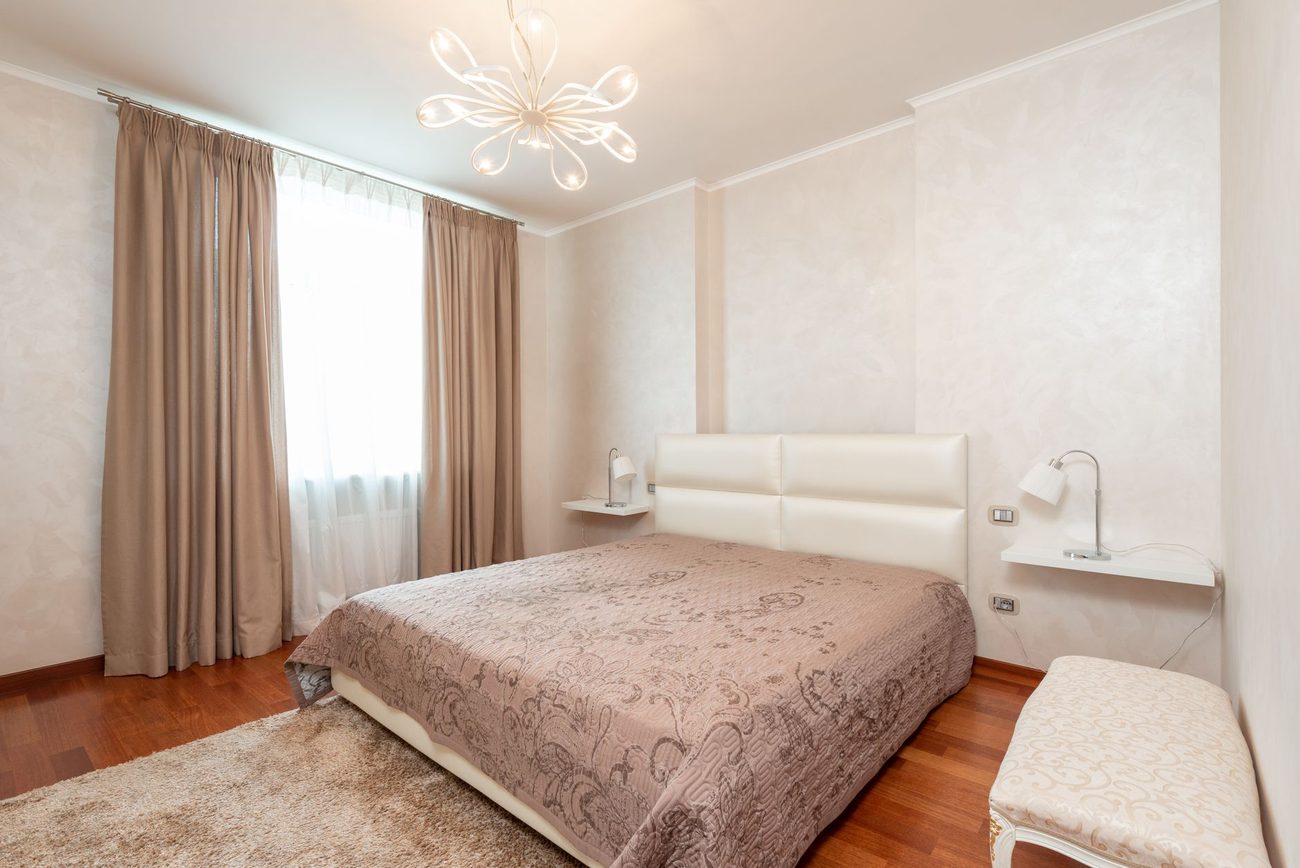
An empty bedroom is the most valuable unused asset in most houses. Depending on where you live and what you are willing to put up with, it can bring in anything from $150 a month for storage to more than $1,000 a month as a short-term rental. Each option asks for a different amount of your privacy, your time and your tolerance for strangers, and the highest-paying one is not the best one for most families.
Option 1: a long-term lodger
One person, one monthly payment, a simple written agreement. This is the steadiest income and the least work once it is set up. A room in a family home typically rents for 40 to 60 percent of what a small apartment would cost in the same area. Ours went for $650 a month to a nurse who worked nights and was rarely home.
What it costs: a shared kitchen and bathroom, some loss of privacy, and the need to pick carefully. We interviewed, checked references and asked for a month's deposit. Tax treatment for renting a room in your own home is often favorable; check the rules where you live.
Option 2: short-term rental
A furnished room listed by the night can earn two to three times the lodger rate in a popular area, and much less in a quiet one. The price is your weekends: cleaning between guests, messaging, key handovers, and strangers in the house most weeks. Many cities now license or restrict short-term rentals, and some homeowner policies exclude them, so check both before listing. For a family with young children we found the churn exhausting after four months and stopped.
Option 3: the option nobody mentions
Renting the room, the garage or the basement as storage to a neighbor. Nobody lives there, nothing needs cleaning, and $150 a month for a dry, secure space is a bargain for someone between houses or with a boat. We found two people within a week by mentioning it in the neighborhood group. A basic written agreement covers what is stored, access hours and who insures the contents (they do).
Comparing the three
| Lodger | Short-term | Storage | |
|---|---|---|---|
| Typical monthly income | $500–900 | $800–1,500 | $100–250 |
| Hours of work per month | 1–2 | 15–25 | 0 |
| Privacy cost | Moderate | High | None |
| Setup cost | Low | Furnishing, linens, lock | None |
Before any of them
- Tell your home insurer. A lodger or paying guest changes the policy at most companies, usually for a small premium increase.
- Check the mortgage terms and any homeowners' association rules.
- Put a lock on the room and decide what is shared and what is not, in writing.
- Keep the income records; all three are taxable, with different deductions.
What we settled on
The lodger, for two years, and then storage for a neighbor's furniture when we needed the room back for a home office but not all of it. The short-term rental paid the most per month and was the one we regretted. The best option was the one that fit around the family rather than the one that fit the spreadsheet.